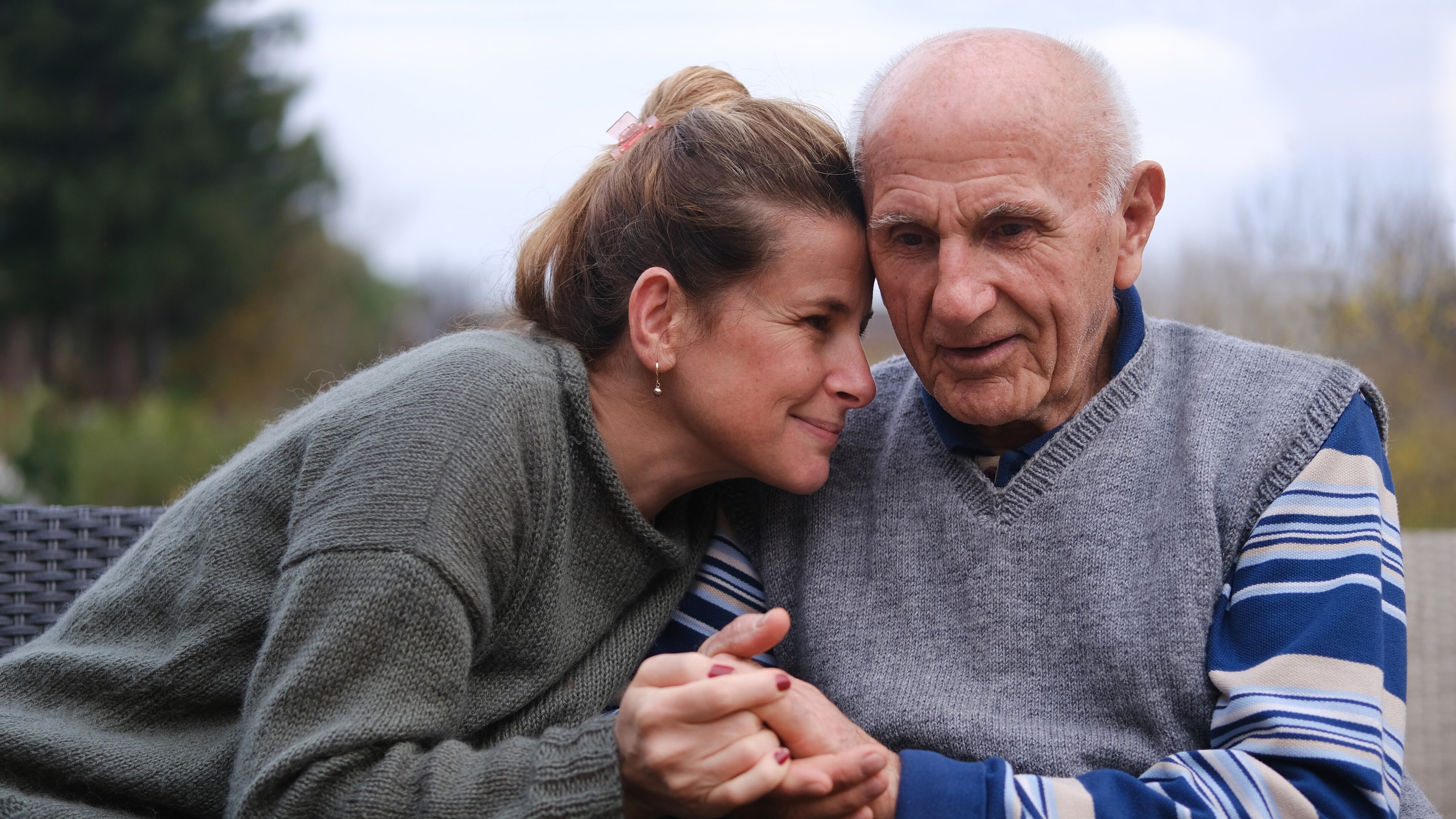
When someone you love is nearing the end of life, it’s natural to wonder what to expect. You may notice changes in their health or behavior and have questions about what those changes mean. You may also be wondering how you can help them feel comfortable.
While every person’s experience is different, understanding some of the common signs of end of life can help you feel more prepared. Knowing when to ask for help can also bring reassurance during an uncertain time.
“Very few people have had the honor of walking beside someone at the end of the journey of life,” says Angie Oujiri, director of hospice at Vivie. “You need information. And cut yourself some slack.”
 Understanding the timeline
Families often ask how much time their loved one has left. While hospice professionals can recognize common changes near the end of life, there’s no way to predict an exact timeline.
“The reality is everyone lives and dies according to their own timeline,” Angie says. “We know what happens to the body, so we can tell you what you’re going to see.”
Changes may happen gradually or more quickly, and not everyone experiences them in the same order. Your hospice team can help you understand what you’re seeing and what may come next.
Common changes in the final weeks of life
As the body begins to slow down, you may notice changes in your loved one’s physical health, behavior, or awareness. Understanding what’s common can help you respond with greater confidence.
Less interest in food and drink
A drop in appetite can be one of the hardest changes for families to watch, because offering food is such a natural way to show love.
As the body slows down, however, it needs less food and fluid. “Your loved one is not dying because they’re not eating,” Angie says. “They’re not eating because they’re dying.”
It’s okay to let your loved one decide when and whether to eat or drink. Keeping their mouth and lips moist can also help ease discomfort. Your hospice team can show you simple ways to do this.
Sleeping more and becoming less responsive
Your loved one may begin sleeping for longer periods and show less interest in conversation or activities. This is a common part of the body’s gradual slowing down.
If you’re concerned that comfort medications may be contributing to increased sleepiness, talk with your hospice nurse. They can explain how medications help manage pain and other symptoms and what changes you might expect.
Confusion or restlessness
Some people become confused, restless, or anxious as the end of life approaches. They may seem disoriented, talk about people or places from the past, or have difficulty settling down.
Speaking calmly, offering reassurance, and creating a quiet environment may help. Your hospice nurse can also assess what’s happening and recommend ways to ease discomfort or restlessness.
Changes in breathing, skin, and temperature
Changes in circulation may cause hands and feet to feel cooler or skin color to change. Breathing patterns may also become different as the body slows down.
These changes can be unsettling to witness, but they don’t necessarily mean your loved one is uncomfortable. Your hospice team can help you understand what’s happening and recognize when additional comfort measures may be needed.
 How can caregivers offer comfort?
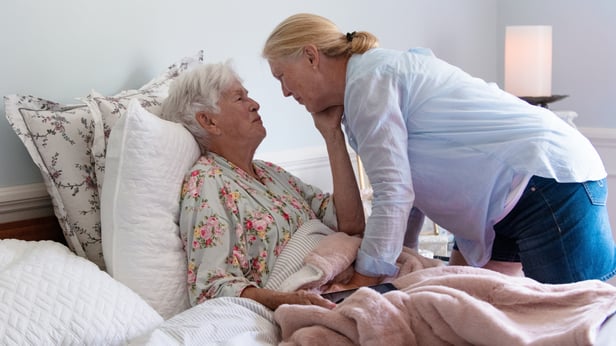
You don’t have to know exactly what to do in every situation. Your hospice team can guide you as your loved one’s needs change.
There are also simple ways you can help:
- Talk to your loved one. “Keep talking to them, even when they’re sleeping,” Angie says. Share familiar stories or simply tell them you’re there.
- Help create a comfortable environment. Soft lighting, a quiet room, and fewer visitors at one time may help your loved one rest. Your hospice team can also show you ways to help them find a comfortable position.
- Speak up when something changes. If your loved one seems uncomfortable or you notice something concerning, let the hospice team know. They can help determine what might be needed.
- Be gentle with yourself. Caring for someone near the end of life can bring uncertainty and second-guessing. As Angie reminds families, it’s important to give yourself some grace, too.
How hospice supports the whole family
Hospice care focuses on comfort and quality of life while providing guidance and support for the people caring for a loved one.
Vivie’s hospice team includes nurses, hospice aides, social workers, spiritual care providers, musicians, and massage therapists who work together to address each person’s changing needs.
Nurses assess symptoms, provide pain and symptom management, and teach caregivers what to watch for, including signs of discomfort when a loved one has difficulty communicating. Hospice aides assist with personal care, while social workers help families navigate practical concerns and decisions. Spiritual care providers offer support based on each person’s beliefs and preferences. Musicians can share familiar songs or provide a calming presence, while massage therapists offer gentle touch to promote comfort and relaxation.
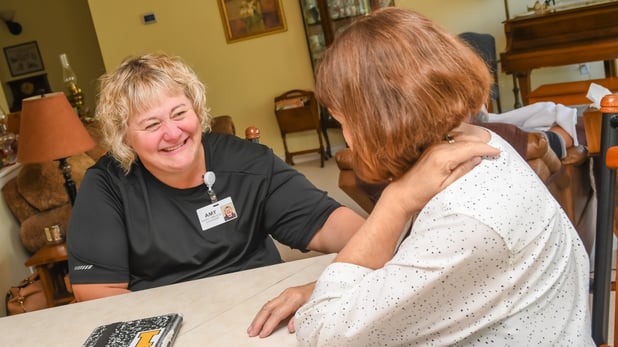 Hospice can also help family caregivers find time for themselves. When possible, Vivie’s hospice team can coordinate consecutive visits from nurses, social workers, hospice aides, and other team members. This can give caregivers several hours to run errands, attend appointments, or simply take a break, knowing their loved one is receiving care.
As a loved one approaches the end of life, Vivie’s hospice team increases the frequency of visits and stays in closer contact with the family. This additional attention helps the team respond to changing needs and gives caregivers more opportunities to ask questions and receive guidance.
Support also continues after a loved one’s death. Vivie offers bereavement services for 13 months, helping families navigate grief and loss.
What happens in the final days?
In the final days, your loved one may sleep most of the time and become less responsive. Eating and drinking may stop, and changes in breathing or circulation may become more noticeable.
Some people experience a brief period of increased energy or alertness. While this can be surprising, it doesn’t necessarily mean their condition is improving.
Your hospice team can help you understand these changes and continue adjusting care to support your loved one’s comfort.
When to reach out for hospice support
Hospice support can begin well before the final weeks of life. Starting earlier gives families time to get to know the care team, ask questions, and learn how to manage changing needs.
If you’re wondering whether it’s time for hospice, reaching out for information is a good first step.
For families already receiving Vivie hospice care, help is available 24 hours a day, seven days a week. You can call whenever you notice changes, have questions, or need reassurance. After-hours calls go directly to a nurse.
Whether your loved one is already receiving hospice care or you’re beginning to explore your options, you don’t have to figure everything out on your own.

Angie Oujiri, director of hospice
As director of hospice at Vivie, Angie Oujiri supports the clinical and operational teams who care for hospice patients and their families, ensuring they have the resources they need to provide compassionate, high-quality care. She earned a Master's degree in Transformational Nurse Leadership from Augsburg University, and brings a leadership style grounded in authenticity, transparency, and collaboration.
Angie was drawn to health care by a desire to help people feel better and found her calling in hospice care, where she believes people need comfort and support the most. She finds the greatest fulfillment in watching her team care not only for the people they serve, but also for one another. Looking ahead, Angie is excited by the opportunities for collaboration across Vivie's continuum of care, creating seamless support for people throughout every stage of their journey.

Vivie
Vivie offers an integrated set of services, including senior living, home health, care management, rehabilitation, hospice, and more. With nearly 2,500 team members serving people across Minnesota, North Dakota, and Wisconsin, Vivie is committed to enriching, empowering, and elevating people throughout life’s journey. Rooted in a foundation of faith and focused on transforming the way people live, age, and thrive, Vivie tailors its support to meet the unique needs of every person.