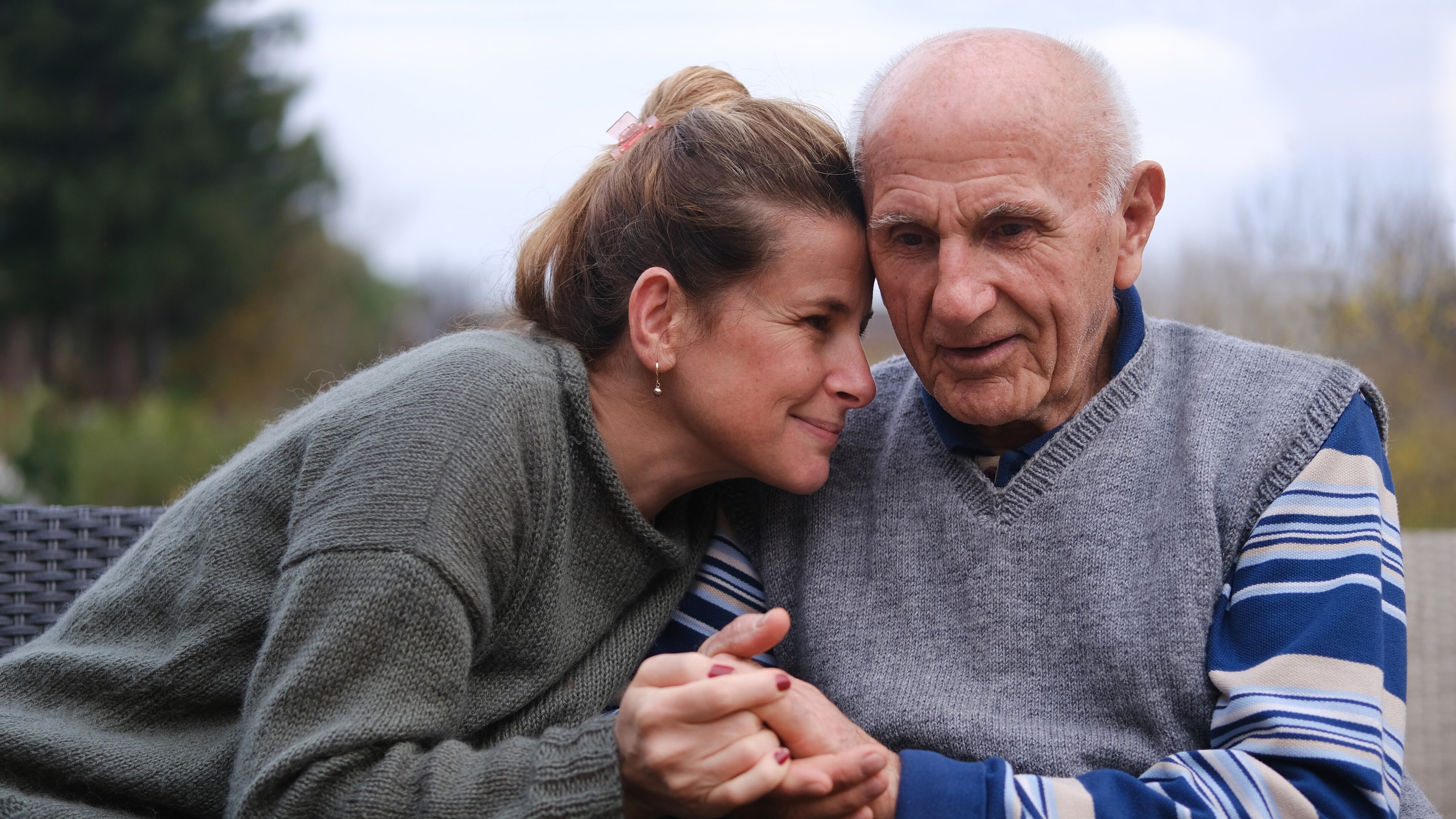
When someone you love is living with Parkinson’s disease or multiple sclerosis (MS), their needs may change over time. Activities that were once part of a familiar routine, such as getting dressed, moving around the house, or preparing a meal, may gradually become more difficult.
For families providing care at home, these changes can raise questions about when additional support might be helpful. Home health care can provide skilled nursing, therapy, and practical guidance tailored to your loved one’s needs, helping them remain as safe and independent as possible in their own home.
 Recognizing when additional support may help
Parkinson’s and MS are progressive neurological conditions, but they affect people differently. Parkinson’s often causes changes in movement, balance, and coordination, while MS can affect mobility, muscle strength, and other functions. The symptoms and rate of progression vary from person to person.
If your loved on is living with Parkinson’s, you may notice that walking has become slower, getting out of a chair takes more effort, or a tremor makes everyday tasks difficult. Changes in speech or swallowing may also develop.
Someone with MS may experience increased fatigue, muscle weakness, or difficulties with balance that interfere with their usual activities.
These changes don’t necessarily mean a loved one can no longer manage at home. They may, however, signal that it’s time to talk with their physician about whether home health care could help.
How home health care supports people with Parkinson’s or MS
Home health care brings skilled professionals into your loved one’s home to support specific care needs. For someone living with Parkinson’s or MS, it may involve several disciplines, each contributing expertise to support mobility, daily activities, communication, and overall well-being.
Skilled nursing helps monitor changes in health, supports medication management, and coordinates with your loved one’s physician. For someone with a progressive neurological condition, a home health nurse may also help identify changes in symptoms or function that warrant adjustments to the care plan.
Physical therapy focuses on movement, strength, balance, and mobility. A physical therapist might work with someone who is having difficulty walking safely or moving from a seated to a standing position.
Occupational therapy helps people continue participating in everyday activities. An occupational therapist may recommend adaptive equipment, demonstrate easier ways to get dressed, or suggest modifications that make the home safer and more accessible.
Speech therapy can address changes in communication and swallowing that sometimes accompany Parkinson’s or MS.
For people with Parkinson’s, Vivie also offers specialized therapy programs called LSVT BIG and LSVT LOUD. LSVT BIG uses exercises that emphasize larger movements to help improve mobility and everyday function, while LSVT LOUD focuses on improving vocal loudness and speech clarity.
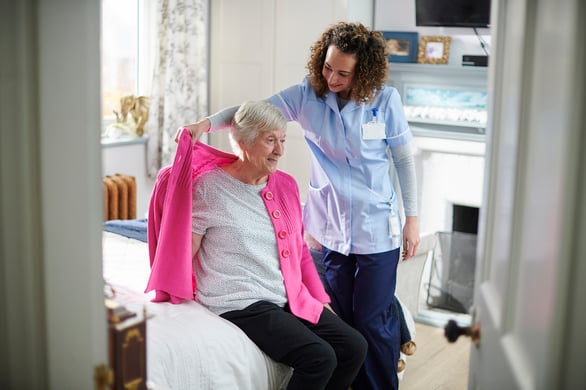
Depending on your loved one’s needs and care plan, home health aides may assist with personal care activities such as bathing and dressing. Our care team can also help identify resources and navigate questions related to ongoing care.
 Coordinated care that adapts to changing needs
One of the benefits of home health care is having professionals with different areas of expertise working toward common goals.
At Vivie, nurses and therapists communicate with one another and your loved one’s physician to coordinate care and make adjustments as needs change. This approach helps ensure that care addresses your loved one’s overall needs rather than treating each challenge separately.
Consider someone with Parkinson’s who begins having more difficulty walking and getting around the house. A physical therapist might work on balance and mobility, while an occupational therapist evaluates how the person manages everyday activities. A nurse may monitor other health concerns and communicate changes to the physician.
By coordinating their observations and recommendations, the team can help develop a care plan that addresses your loved one’s changing abilities and supports their goal of remaining safely at home.
Our home health care team also has the advantage of working with people in their own surroundings. They can observe challenges that might be difficult to identify in a clinic, such as navigating a narrow bathroom or getting in and out of bed and recommend practical solutions.
Helping families support independence at home
For families, knowing how to help a loved one while encouraging independence can sometimes be challenging. It’s natural to want to step in when an activity becomes difficult, but allowing someone to continue doing what they can for themselves is important.
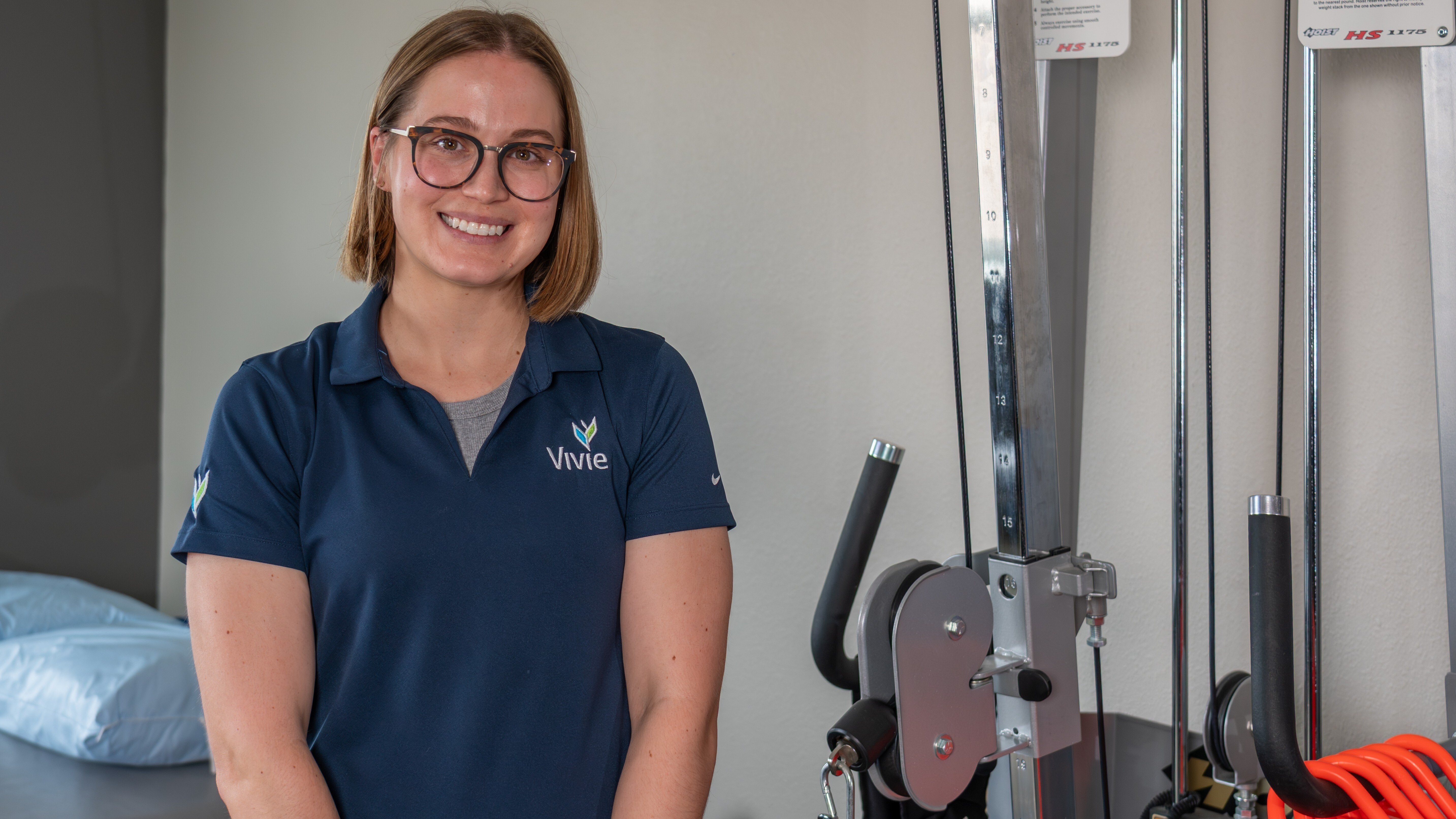
As Kayla Wohlers, Senior Director of Home Health and Hospice at Vivie, explains, “It might be slower, it might be modified, but let [them] do it.”
Home health care by Vivie can help families find that balance. Therapists may teach caregivers safer ways to assist with movement, demonstrate techniques for everyday activities, or recommend equipment that makes tasks easier. Nurses can provide education about medications, symptoms, and changes that should be discussed with a physician.
This guidance can help family members feel more confident about the care they provide while respecting their loved one’s preferences and abilities.
Families also benefit from knowing what changes they might anticipate and when to seek additional guidance. Because Parkinson’s and MS progress differently for each person, having a care team available to answer questions and reassess needs can provide reassurance.
Kayla offers a simple message to families considering additional support: “First of all, you’re not alone.”
Vivie’s home health care team can build on the support families are already providing, offering expertise and practical assistance as needs evolve.
Taking the next step
If you’re noticing changes in your loved one’s mobility, communication, or ability to manage daily activities, consider talking our team about whether home health care may be right for them. An initial assessment helps the care team understand the person’s needs and determine which services may be beneficial.
Our team can also answer questions about services, eligibility, and insurance coverage to help families understand their options.
With the right support, people living with Parkinson’s or MS can continue participating in daily life at home while receiving care tailored to their changing needs.
Learn more about how Vivie’s home health care team can support you and your loved one.

Kayla Wohlers
With her deep expertise in home health care, Kayla Wohlers ensures that individuals receive high-quality care in the comfort of home. As senior director of home health and hospice at Vivie, she leads with a commitment to excellence, regulatory compliance, and patient-centered care. A licensed physical therapist, Kayla earned her Doctor of Physical Therapy degree from the University of North Dakota. In addition to her clinical experience, she has been an active contributor to the Minnesota Home Care Association, serving on committees and presenting at annual conferences. Throughout her career, Kayla has been a steadfast advocate for enhancing the well-being of the people we serve.

Vivie
Vivie offers an integrated set of services, including senior living, home health, care management, rehabilitation, hospice, and more. With nearly 2,500 team members serving people across Minnesota, North Dakota, and Wisconsin, Vivie is committed to enriching, empowering, and elevating people throughout life’s journey. Rooted in a foundation of faith and focused on transforming the way people live, age, and thrive, Vivie tailors its support to meet the unique needs of every person.