Key Takeaways
- Assisted living supports independence while providing help with selected daily routines.
- Nursing homes generally provide more intensive nursing and medical support.
- Changes in medication, nutrition, hygiene, mobility, or isolation may warrant a conversation.
- Lifestyle, relationships, location, and personal preferences matter alongside care needs.
- Compare what each quoted rate includes instead of relying on the monthly price alone.

Assisted Living and Nursing Homes Serve Different Needs
Families often begin by asking which setting offers the right balance of independence, daily assistance, and clinical support. A needs assessment and input from health-care providers can make that question easier to answer.
Assisted living and nursing homes are both residential care options, but they’re designed for different levels of support.
Assisted living may be appropriate when someone can live in a private apartment but benefits from help with activities such as bathing, dressing, medication coordination, meals, or mobility.
A nursing home may be appropriate when someone requires daily skilled nursing, frequent clinical monitoring, or care that cannot be safely provided in a less intensive setting. Services vary, so confirm each provider’s licensure and capabilities.
What Assisted Living Provides
Assisted living is designed to support daily life while preserving as much independence and choice as possible.
At Highview Hills, assisted living includes light housekeeping, laundry, and linen service, meal options, ongoing nursing support, an emergency response system, and personalized support with daily needs.
Nursing homes provide residential care with nursing support. Some also provide Medicare-certified skilled nursing facility care, which involves nursing or therapy services that must be performed by, or under the supervision of, qualified professionals.
The setting, schedule, apartment or room, dining, activities, and opportunities for connection also shape daily life. Families should consider these preferences alongside clinical needs.
Signs It May Be Time to Discuss More Support
Changes in Daily Routines
Notice patterns rather than treating one difficult day as proof that a move is necessary. Repeatedly skipped meals, an empty refrigerator, changes in hygiene, increasing clutter, or difficulty managing the home may suggest that daily tasks are becoming harder.
Begin with a respectful conversation about what your loved one has noticed and which tasks feel most challenging. Their goals and preferences should remain central to the discussion.
Missed doses, duplicate doses, or uncertainty about prescriptions deserve prompt attention. A health-care professional can help assess medication concerns and recommend an appropriate level of support.
In assisted living, medication coordination or administration may be available depending on the community and care plan. Ask exactly what the team can provide and how changes are communicated.
Changes in Social Connection
Canceled plans, withdrawal from favorite activities, or fewer meaningful interactions can be signs that your loved one feels isolated. Social connection supports well-being, but it should be considered together with health, mobility, transportation, and personal preferences.
A senior living community can make optional activities and shared spaces easier to access. The goal isn’t to fill every hour; it’s to provide choices that match your loved one's interests and desired pace.
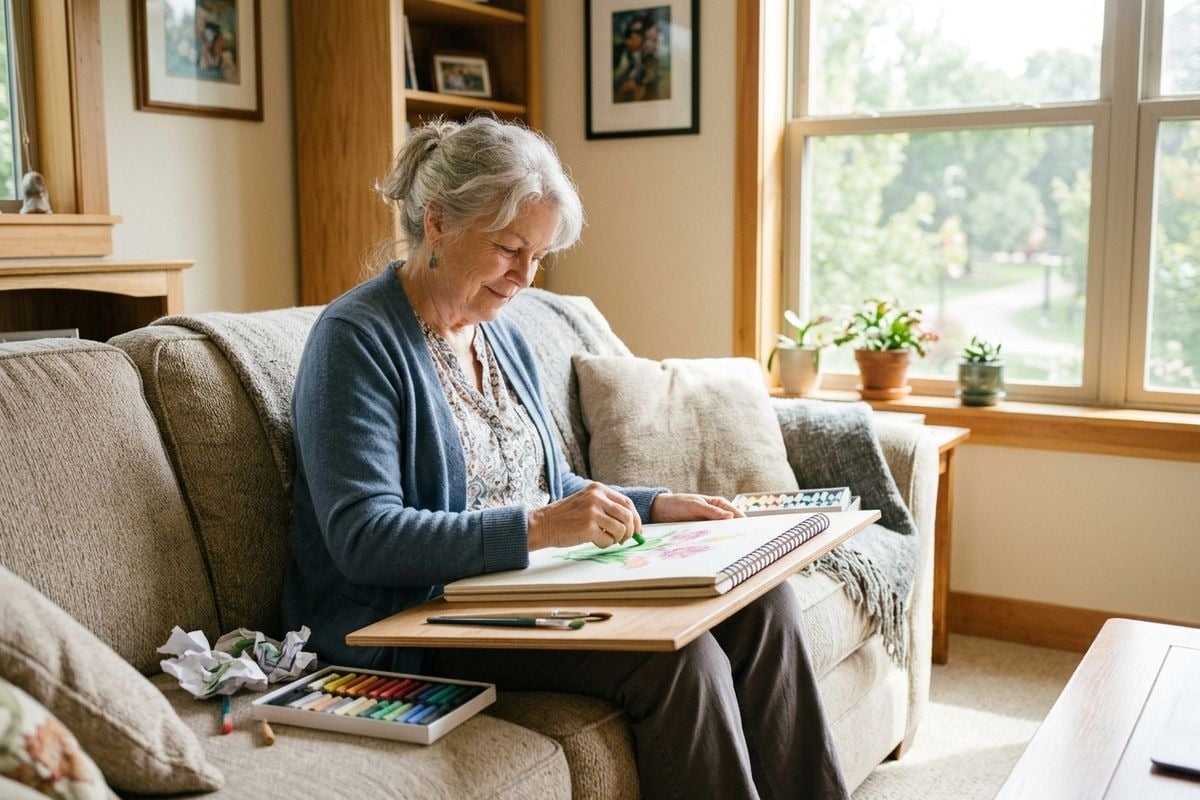
At Highview Hills, residents can visit the Pioneer Grill restaurant and bistro, attend wellness or spiritual programs, or use spaces such as the movie theater, art studio, library, and woodshop.
During a tour, ask to see the current activity calendar and observe how residents use shared spaces. This offers a more realistic picture than a list of amenities alone.
When Daily Skilled Nursing May Be Appropriate
Look at Needs, Not a Diagnosis Alone
A diagnosis alone doesn’t determine the right setting. Two people with the same condition may need very different levels of support depending on symptoms, mobility, cognition, treatments, and available help.
Daily skilled nursing may be appropriate when someone needs complex wound care, intravenous treatment, intensive rehabilitation, frequent clinical assessment, or other services that require licensed clinical professionals.
Ask your loved one’s physician or care team to explain which needs require skilled services and whether those needs are expected to be short-term or ongoing.
Highview Hills also offers enhanced assisted living with 24-hour licensed nursing support and memory care with licensed nurse oversight. These services are distinct from nursing-home care, so an individualized assessment remains essential.

Questions to Ask During a Tour
A tour should help you understand both the atmosphere and the care model. Ask how team members get to know residents, respond to changing needs, communicate with families, and handle emergencies.
Notice whether interactions appear respectful and unhurried. Ask about staffing coverage, training, nurse availability, care-plan reviews, and who families contact with questions.
Review apartments or rooms, dining areas, outdoor spaces, and safety features. Request written information about services, costs, policies, and what happens when a resident’s needs change.
Compare Services, Costs, and Coverage
Understand What Each Rate Includes
Senior living pricing may separate rent, meals, care packages, medication services, and optional conveniences. Nursing-home pricing and insurance coverage follow different rules. Ask for an itemized estimate based on current needs.
At Highview Hills, inclusions depend on the living option. Independent senior living and assisted living have different service packages, and additional conveniences or nursing packages may involve extra fees.
Compare the full cost of each realistic option, including housing, utilities, meals, transportation, home support, personal care, and future care needs. Cost alone shouldn’t replace an assessment of safety and quality.
Also ask which amenities are included and which are fee-based. At Highview Hills, residents have access to amenities such as the wellness center, Pioneer Grill, Kristál Spa & Salon, creative spaces, and outdoor areas.
Ask About Payment and Benefits
Families may use personal income, savings, long-term care insurance, proceeds from a home sale, or eligible public benefits. Coverage differs by service, policy, and individual eligibility.
Before making major financial decisions, speak with a qualified financial or elder-law professional who understands senior care planning.
Eligible veterans and surviving spouses may qualify for VA pension benefits such as Aid and Attendance. Review eligibility directly with the VA, and confirm long-term care insurance benefits with the policy provider.
For skilled nursing facility care, Medicare coverage is limited and subject to specific eligibility requirements. Ask providers and insurers for written explanations of coverage and expected out-of-pocket costs.
Choosing the Right Senior Care in Lakeville
The best choice is the setting that can safely meet your loved one’s needs while respecting their preferences, relationships, and desired level of independence.
Compare assessments, care capabilities, communication practices, daily life, pricing, and plans for changing needs. Include your loved one in visits and decisions whenever possible.
Highview Hills by Vivie offers several senior living options in Lakeville, including assisted living, enhanced assisted living, memory care, and respite care. The team can explain what each option includes and help you determine whether the community may be a suitable fit. Schedule a tour of Highview Hills to explore the living options, meet the team, and ask questions about current and future support.


Vivie
Vivie offers an integrated set of services, including senior living, home health, care management, rehabilitation, hospice, and more. With nearly 2,500 team members serving people across Minnesota, North Dakota, and Wisconsin, Vivie is committed to enriching, empowering, and elevating people throughout life’s journey. Rooted in a foundation of faith and focused on transforming the way people live, age, and thrive, Vivie tailors its support to meet the unique needs of every person.