Key Takeaways
- Person-centered support begins with your loved one’s needs and life story.
- Familiar routines and interests guide meaningful daily support.
- The care plan is reviewed as your loved one’s needs change.
- Consistent, respectful support can promote comfort and well-being.
- Family insight helps the team understand preferences and communication.
Why Person-Centered Care Matters in Memory Care
When you’re exploring memory care for your loved one, you want to know they’ll be seen as a whole person, not defined by a diagnosis. Person-centered care brings their history, abilities, preferences, and changing needs into everyday decisions.
A person-centered care plan gives the team a shared guide for providing consistent support. It identifies what your loved one can do independently, where help is needed, what may cause distress, and which approaches create opportunities for comfort, connection, and meaningful activity.
What a Person-Centered Memory Care Plan Includes
The plan brings together health information, daily support needs, communication preferences, routines, interests, and your loved one’s life story. It guides the team while remaining flexible enough to respond to the person in front of them.
Begin With the Person, Not the Diagnosis
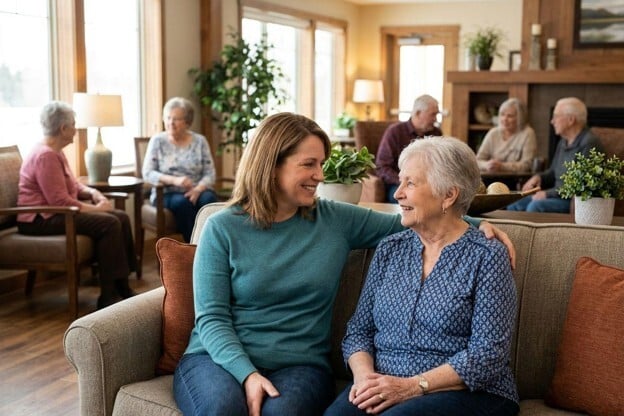
The team learns what matters to your loved one: how they prefer to be addressed, the music or activities they enjoy, familiar roles and relationships, personal boundaries, and the ways they express comfort or concern. This knowledge helps support feel more respectful and familiar.
Review Support as Needs Change
Memory care needs can change over time. Regular observation, family communication, and clinical review help the team update approaches to mobility, personal care, medication oversight, meals, communication, and engagement. The goal is to provide the right support while protecting dignity and security.
Familiar Routines Can Support Comfort
Predictable cues and familiar routines can make the day easier to navigate. A person-centered plan helps the team understand what usually works for your loved one while allowing flexibility when energy, mood, or needs are different.
Follow Familiar Rhythms When Possible
The plan can note familiar wake-up routines, preferred approaches to personal care, mealtime needs, and signs that your loved one needs rest or reassurance. These details help the team offer support in a way that feels less abrupt and more familiar.
Choose Activities With Personal Meaning
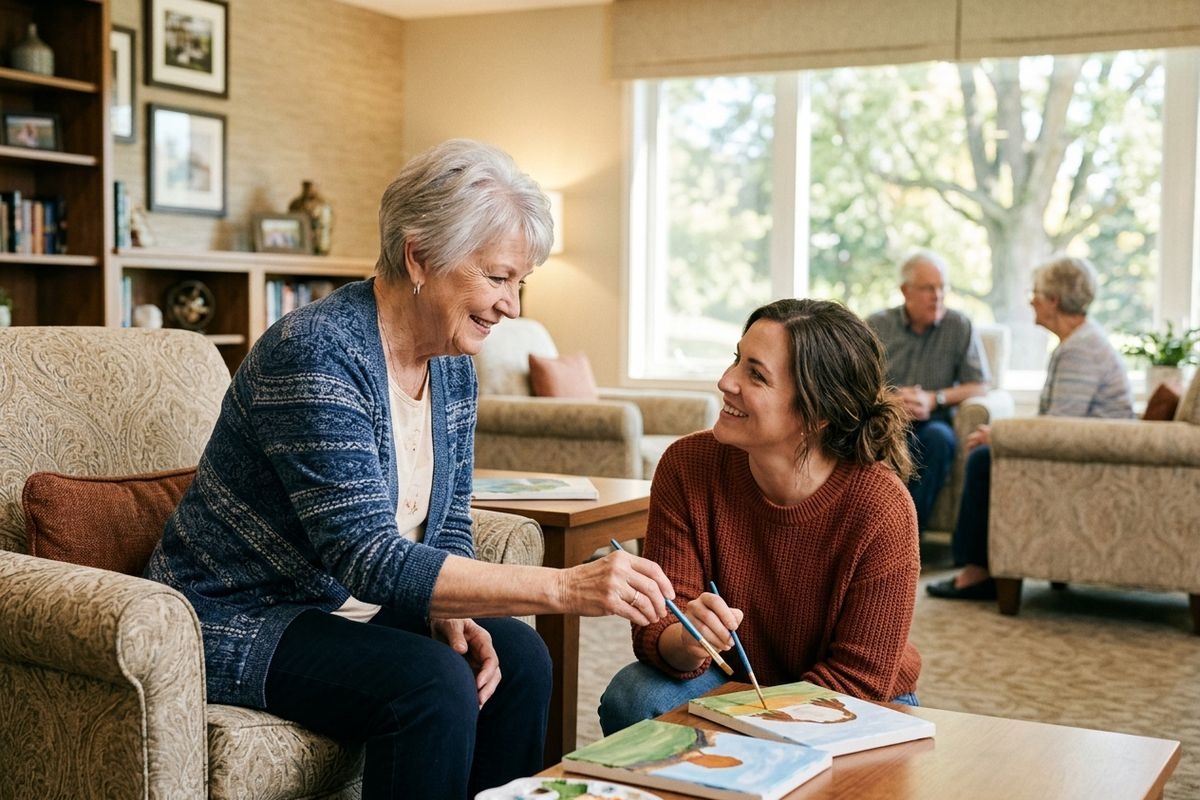
Activities are more meaningful when they connect with a person’s interests, abilities, and background. At The Gems, opportunities may include crafts, music, sing-alongs, Bible study, exercise, conversation, and events tailored to residents’ experiences. Participation should feel inviting, not forced.

Person-Centered Support and Emotional Well-Being
Consistent approaches, respectful communication, and familiar cues can help your loved one feel more at ease. Over time, the team can learn how they express discomfort, what reassurance works best, and when a quieter approach may be helpful.
Build Trust Through Consistent Support
The care plan can document preferred words, gestures, routines, and de-escalation approaches. When team members use what they learn consistently, communication may feel more familiar and supportive. Secure spaces and 24-hour team availability add another layer of reassurance.
Protect Dignity Through Everyday Choices
Choices can remain part of daily life, even when your loved one needs significant support. Offering two clothing options, inviting a preference at mealtime, or encouraging participation in a familiar self-care step can preserve agency without making the decision overwhelming.
Core Parts of a Person-Centered Care Plan
A strong plan combines assessment with what the team and family learn over time. It should clearly describe current abilities, support needs, safety considerations, communication approaches, health information, daily routines, and meaningful interests.
Assess Health, Abilities, and Support Needs
The team reviews relevant health history, medications, mobility, nutrition, communication, personal care, and safety needs. The assessment focuses on your loved one’s current abilities and the support that’s appropriate now, with a process for reviewing the plan when needs change.
Partner With Families and Loved Ones
Family members and loved ones can share vital details about your loved one’s life story, routines, relationships, and sources of comfort. That insight belongs in the care plan. Agree on how the team will communicate updates, questions, and changes so everyone understands what to expect.
Explore Person-Centered Memory Care at Crystal Brook
Finding memory care for your loved one is a significant decision. At Crystal Brook’s Gems Memory Care household, residents receive support in a secure, nurturing setting with private studio apartments, 24-hour team support, help with daily routines, and engaging activities.
Talk with the Crystal Brook team about your loved one’s needs, communication preferences, routines, and life story. Schedule a tour to see the Gems household and learn how person-centered support may adapt over time.


Vivie
Vivie offers an integrated set of services, including senior living, home health, care management, rehabilitation, hospice, and more. With nearly 2,500 team members serving people across Minnesota, North Dakota, and Wisconsin, Vivie is committed to enriching, empowering, and elevating people throughout life’s journey. Rooted in a foundation of faith and focused on transforming the way people live, age, and thrive, Vivie tailors its support to meet the unique needs of every person.