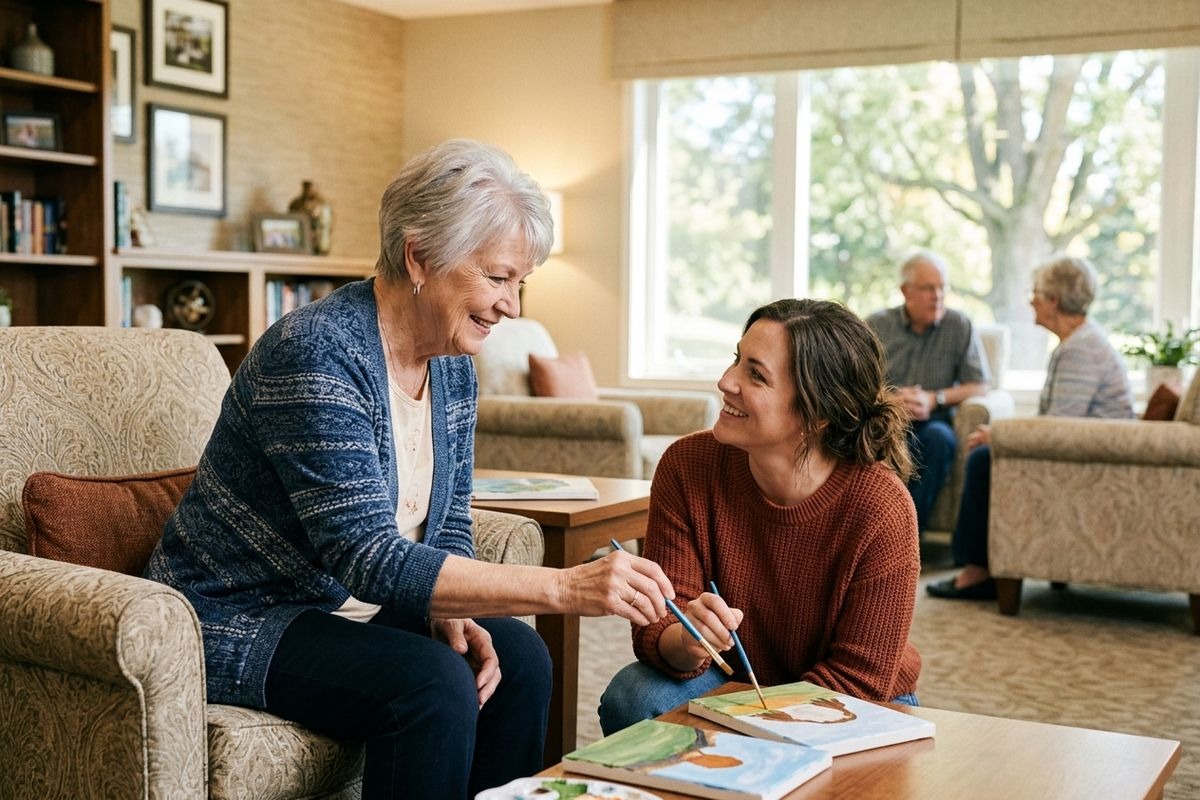
Key Takeaways
- Memory care is specialized support designed around dementia and cognitive needs, not just general assisted living.
- Signs like wandering, missed medications, mood changes, and caregiver burnout can signal it's time to explore memory care.
- A memory care community can offer structured routines, secure spaces, trained caregivers, and meaningful daily activities.
- Knowing the right questions to ask on a tour can help you find a community that supports your loved one's physical and emotional health.
- Memory care can give your family the relief to be present, not caretakers; you can begin nurturing your relationship.
What Memory Care Can Do for Your Loved One
Watching someone you love struggle with memory loss is one of the hardest things a family can go through. You want to keep them safe, keep them happy, and continue supporting them while balancing the responsibilities of your own daily life.
That pull in a hundred directions at once? It's exhausting, and you don't have to figure it out alone.
Crystal Brook by Vivie, and communities like it, offer memory care, a type of specialized support.
Memory care is built specifically for people living with dementia or other forms of memory loss, offering around-the-clock care in a structured and safe environment.
It's not about giving up. It's about getting your loved one the right kind of help and giving yourself permission to spend meaningful time with your loved ones.
Signs Your Loved One May Be Ready for Memory Care
Safety and Daily Living Signs to Watch For
Sometimes the signs appear slowly. Maybe your mom has started wandering in the middle of the night, or your dad got turned around driving home from a place he's visited for years.
These moments can be concerning, and they're worth paying attention to.
Other signs to watch for include skipping meals, forgetting medications, mood changes, or letting personal hygiene slip. Many families also notice something called "sundowning," where confusion or agitation gets worse in the late afternoon or evening.
When these patterns become regular, it's a signal that your loved one needs more consistent, specialized support than most home settings can reliably offer.
When Caregiver Burnout Becomes Part of the Picture
Your well-being matters here, too. If you're running on empty, losing sleep, or putting your own health on the back burner to manage daily care demands, that's a real sign things have shifted beyond what one person or even a full household can handle.
Caregiver burnout isn't a personal failure. It's what happens when the level of care needed grows faster than the support available. Recognizing that moment is actually one of the most loving things you can do for both of you.
What Day-to-Day Life Looks Like in Memory Care
Routine, Safety, and a Sense of Belonging
Predictability is a powerful anchor for someone living with dementia. A consistent daily schedule, familiar faces, and a calm environment can genuinely reduce anxiety and confusion for someone living with dementia.
When the day feels recognizable, the world feels a little less disorienting.
Instead of feeling confined, residents can enjoy the freedom to move about comfortably in a secure, intuitive layout built just for them.
Community spaces can give families peace of mind: knowing their loved one has the liberty to roam, with the invisible guardrails of attentive care protecting them at every turn.
Activities That Spark Connection and Joy
Memory care isn't just about managing symptoms. It's about helping your loved one keep living in a way that feels meaningful.
Programs rooted in music and art can tap into meaningful recollections and spark genuine moments of joy, even in later stages of dementia.
Social connections matter deeply. Engaging regularly with others, whether through group activities or one-on-one time with team members, can lift mood and reduce the isolation that often accompanies memory loss.
Crystal Brook by Vivie designs wellness programs with exactly this kind of meaningful, day-to-day engagement in mind.
How to Choose the Right Memory Care Community
Questions Worth Asking on a Tour
A tour is your chance to go beyond the brochure. Ask about team training specific to dementia care, how many team members are on at night, and what the staff-to-resident ratio looks like day to day.
Ask how the community keeps families in the loop, whether through regular check-ins, care conferences, or a simple phone call when something changes.
What to Watch for During a Visit
Pay attention to the little things. Notice how team members talk to residents–whether they get down to eye level, use a calm voice, and treat each person with dignity. Does the space feel clean and easy to move through? Does it feel calm?
Before you leave, get clear on the financial side, too. Ask exactly what the community includes in the monthly costs and what might be billed separately. Knowing that up front saves a lot of stress later.
The Comfort Memory Care Can Bring to Your Family
At Crystal Brook by Vivie in Park Rapids, Minnesota, we've built memory care around the belief that every person deserves to feel safe, known, and cared for, no matter where they are in their journey.
Our team is trained to handle the complex, ever-changing needs that come with dementia, so your family doesn't have to carry that weight alone.
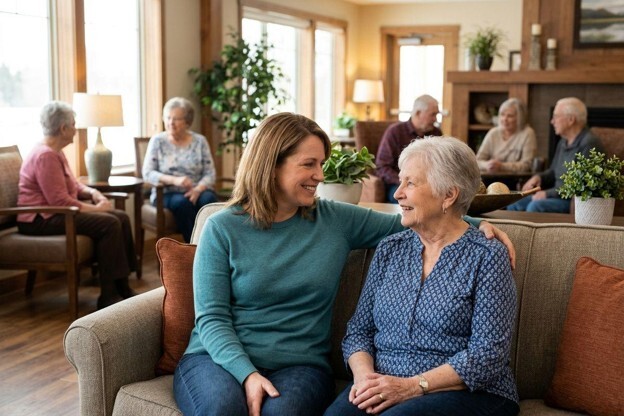
When the right support is in place, your visits can look completely different. Instead of managing medications or watching for safety concerns, you can sit quietly together, share a laugh, and hold a hand. That's the kind of connection memory care can help make possible again.
Reach out to our team today to learn more about how we can support you and your loved one.


Vivie
Vivie offers an integrated set of services, including senior living, home health, care management, rehabilitation, hospice, and more. With nearly 2,500 team members serving people across Minnesota, North Dakota, and Wisconsin, Vivie is committed to enriching, empowering, and elevating people throughout life’s journey. Rooted in a foundation of faith and focused on transforming the way people live, age, and thrive, Vivie tailors its support to meet the unique needs of every person.