
Key Takeaways
- Notice patterns in daily routines, personal care, and the home.
- Pay attention to falls, bruising, mobility, and weight changes.
- Take medication concerns and skipped meals seriously.
- Consider how caregiving is affecting your health and relationship.
- Request an assessment and explore care options together.
When Everyday Changes Suggest More Support
The question usually isn’t whether one isolated event has happened. It’s whether changes are becoming frequent, affecting safety or health, or making daily life harder for your loved one and family.
Assisted living may offer support with personal care, medication management, meals, housekeeping, and other routines while helping residents maintain choice and independence.
Use the signs below as conversation starters, not a diagnosis or checklist that automatically determines a move. A health care professional and senior living assessment can help clarify what support is appropriate.
Changes in Daily Life and the Home
Personal Care Is Becoming Harder
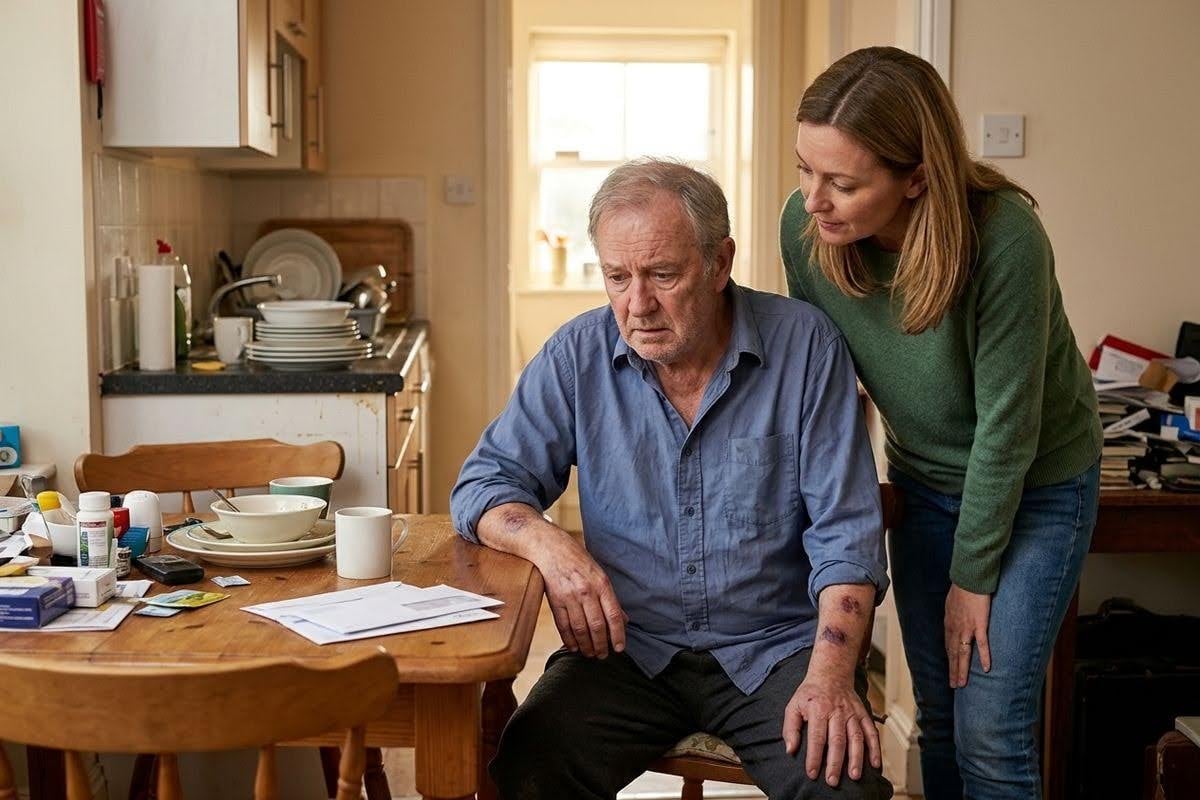
You may notice that your loved one’s usual appearance has changed. They might wear the same outfit repeatedly, bathe less often, or have difficulty with grooming. Approach the subject privately and respectfully because pain, depression, mobility changes, or other health concerns may be involved.
The home may also show that routines are becoming harder. Look for growing clutter, spoiled food, overflowing laundry, unpaid bills, or tasks that your loved one previously handled with ease.
Ask whether support with housekeeping, laundry, meals, or paperwork would make daily life more manageable.
Meals and Nutrition Have Changed
An empty refrigerator, spoiled food, repeated skipped meals, or relying mainly on snacks can suggest that shopping, cooking, or eating has become difficult. Your loved one may also be dealing with dental concerns, medication effects, low mood, or changes in appetite.
Unexplained weight loss or gain should be discussed with a health care professional. Notice the pattern, ask what’s making meals difficult, and explore the support your loved one needs.
Safety and Health Concerns Need Attention
Falls or Mobility Changes
Your loved one may have new bruises, report a fall, or seem less steady when standing or walking. Don’t assume they’re hiding something; ask calmly what happened and whether they feel safe moving around the home.
Holding onto walls or furniture, avoiding stairs, or walking less may signal pain, weakness, dizziness, vision changes, or fear of falling. Contact a health care professional after a fall or when mobility changes suddenly.
Medication Management Is Less Reliable
Medication schedules can become difficult to manage. You may find doses left in an organizer from two days ago, duplicate doses, expired medications, or prescriptions that haven’t been refilled.
Ask your loved one what’s getting in the way. Memory changes, vision, dexterity, cost, side effects, or a complicated schedule may all contribute. Medication concerns should be reviewed with their prescriber or pharmacist.
A health care professional may recommend reminders, packaging changes, home support, or assisted living medication management, depending on your loved one’s needs.
Social and Emotional Changes
Social Connection Has Declined
Your loved one may stop attending activities, decline invitations, or lose interest in hobbies. Ask whether transportation, hearing, mobility, fatigue, grief, or another concern is making connection harder.
More time alone isn’t always a problem if it’s a preference. Concern grows when isolation is new, unwanted, or accompanied by changes in mood, health, or daily functioning.
Mood or Behavior Has Changed
Isolation, health changes, grief, medication effects, and other conditions can affect your loved one’s emotional well-being. Notice persistent sadness, irritability, anxiety, confusion, or withdrawal, especially when these changes are new.
Your loved one may also express growing worry about being alone, managing the home, or responding to an emergency.
Listen without minimizing their concerns and involve a health care professional when changes are sudden, severe, or affecting daily life. Regular companionship and accessible activities may also provide meaningful support.

When Caregiving Is Affecting You
Your Health and Energy Are Changing
Caring for a loved one can affect your sleep, energy, and health. You may feel persistently tired, anxious, distracted, or unable to keep up with your own needs.
You may also have less time for work, family, appointments, or rest while traveling between two households. Needing help doesn’t mean you’ve failed; it means the current plan may no longer be sustainable.
Family Time Feels More Challenging
When most visits revolve around chores, medications, or safety checks, family time can become more challenging. You and your loved one may both feel frustrated by a relationship that has changed.
Additional support can create more room for conversation, shared interests, and time together, although every family’s experience is different.
Respite care, home support, or a senior living community may all be worth exploring. The right option depends on your loved one’s needs, preferences, and safety.
What to Do When You Notice These Signs
Request an Assessment and Visit
Start with your loved one’s health care professional and a senior living assessment. Then visit communities together, when possible, so your loved one can experience the setting and participate in the decision.
Ask the team about staffing, nursing support, medication management, personal care, dining, activities, communication with families, costs, and how care plans change.
Care Suites of Edina offers assisted living, enhanced assisted living, memory care, and respite care. Ask which level fits current needs and what a future transition between care levels could involve.
Create the Plan Together
Talk openly about your loved one’s goals, routines, concerns, finances, and preferred location. Keep them involved in decisions to the fullest extent possible.
Write down questions, compare services and costs, and agree on the next step. You don’t need to settle every detail in one conversation.
The goal isn’t a perfectly stress-free transition. It’s a realistic plan that supports safety, dignity, independence, and the well-being of everyone involved.
Explore Assisted Living at Care Suites of Edina
You don’t have to interpret every change or make the decision alone. Care Suites of Edina provides assisted living in a close-knit setting, with private apartments, personalized nursing assessments, 24-hour nurse oversight, meals, housekeeping, laundry, medication coordination, and life-enrichment opportunities.
Talk with the Care Suites of Edina team to discuss your loved one’s needs, ask questions, and schedule a visit.


Vivie
Vivie offers an integrated set of services, including senior living, home health, care management, rehabilitation, hospice, and more. With nearly 2,500 team members serving people across Minnesota, North Dakota, and Wisconsin, Vivie is committed to enriching, empowering, and elevating people throughout life’s journey. Rooted in a foundation of faith and focused on transforming the way people live, age, and thrive, Vivie tailors its support to meet the unique needs of every person.