If you don’t know much about sepsis and the risks for older adults, you’re not alone. Let’s walk through some of the basics so you know what to watch for and what to do if you suspect your loved one might be at risk.
What is sepsis?
Sepsis is a life-threatening reaction to an infection. Instead of the body fighting the infection in a controlled way, the immune system goes into overdrive and starts damaging the body’s own organs and tissues.
How common is sepsis?
It can happen at any age, but sepsis becomes much more common and more serious for older adults. It’s actually one of the 10 leading causes of death among people age 65 and older, according to the National Institutes of Health.
How serious is sepsis?
Sepsis can be very dangerous. It can be fatal if not treated quickly. Mild sepsis can rapidly worsen and progress to severe sepsis, which causes organ failure.
How do you get sepsis? Is it contagious?
Sepsis isn't contagious. Instead, it can develop when the body can't fight off an infection on its own and isn't getting effective treatment. Even relatively common infections—such as urinary tract infections (UTIs) and pneumonia—can lead to sepsis if not properly treated.
Why are older adults more vulnerable to sepsis?
As your loved one ages, their immune system gets weaker. They also might have chronic conditions or use medical devices. These factors can lead to a higher risk of infection in general, which can progress to sepsis.
Is sepsis curable? How is it treated?
Getting immediate treatment for your loved one is critical because sepsis can move very fast. Often it requires intensive care in the hospital with antibiotics, fluids, and sometimes other medications and oxygen therapy.
After successful treatment, what does sepsis recovery look like?
Someone recovering from sepsis might spend just a few days in the hospital getting treatment to control the infection. However, they may need more support with their recovery after leaving the hospital. They may be dealing with low energy, muscle weakness, shortness of breath, and vulnerability to further infections.
What's the role of family and friends in catching sepsis early?
By the time an infection is progressing to sepsis, your loved one may no longer be capable of recognizing it or taking action. You can play a vital role in spotting possible sepsis and getting help.
Imagine this: Your 80-year-old mother has developed a urinary tract infection, and isn't even aware of it. This isn't uncommon. A UTI in older adults may not cause symptoms that we usually recognize, like urgency, burning, and pain. Instead, the primary symptom could be extreme confusion. So it's possible the UTI is not even being treated or monitored.
At some point, this can cross the line into something more serious. Sepsis can develop.
How can you spot the warning signs of sepsis?
There are often major clues that indicate an infection is developing into something more serious. Be very aware of sudden changes such as:
- Changes in mental status (such as confusion)
- Abnormal breathing (such as shallow and fast)
- Weakness and low energy
-
Changes in urine output
Here are a few examples:
- Mom calls you at 3 a.m., confused that it isn’t daytime—and a few days ago, this wasn’t normal for her.
- Dad is suddenly too weak to get out of his chair.
- Mom’s breathing becomes rapid and shallow, which is new for her.
What should you look for during a phone call or video chat?
Look out for sudden changes, such as slow or slurred speech, trouble following the conversation, saying things that don’t make sense, or labored breathing. 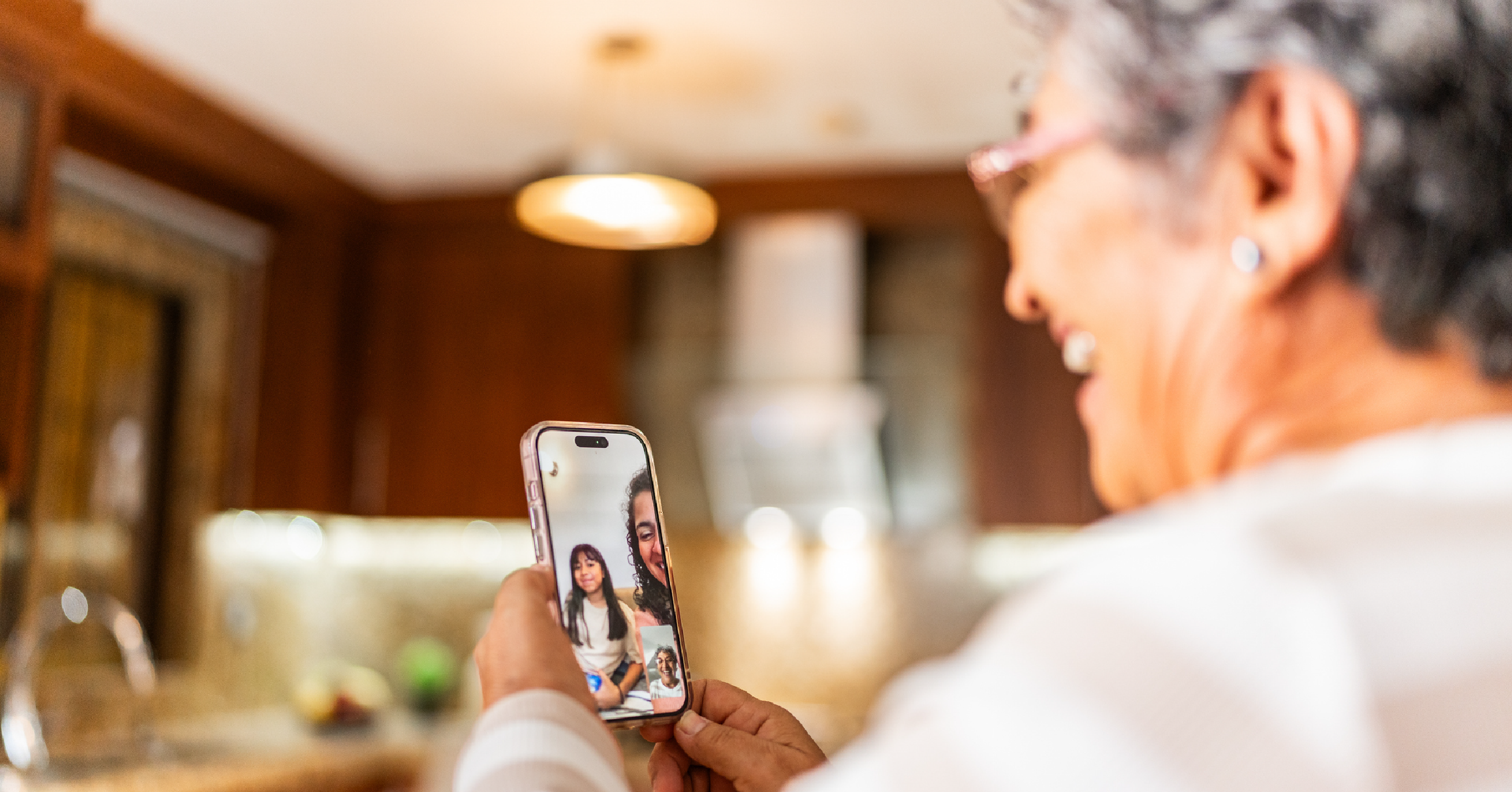
How quickly does sepsis become an emergency?
Sepsis can move shockingly fast. If the symptoms we've talked about here are changing noticeably over the same day, it’s urgent.
Call 911 immediately if your loved one is having trouble staying awake, having difficulty breathing, can't stand, or has cool, pale, or blue-colored skin.
Call the doctor if symptoms are very mild, without serious confusion, breathing problems, or signs of rapid decline. For example, if your loved one has an infection that isn't improving as expected or is getting worse, but you don't see significant changes in their overall condition, reach out to their health-care team.
What do families wish they had known sooner about sepsis?
The most common thing we hear is that they didn’t know a simple infection could lead to a dangerous medical emergency. They wish they'd been more aware of sepsis and how quickly it can develop.
Preventing sepsis: How can you help lower the risk?
The most effective prevention we have right now is to avoid, or quickly treat, any type of infection. Letting an infection "run its course" may have worked in younger years, but your loved one probably needs more help now to fight off infections.
Here's what you can do:
- Ensure your loved one is going to medical appointments and following through on medications and treatments.
- Stay in close contact so you know what's normal for your loved one and what isn't.
- Assure them that you do want to know when they have a health concern, even if it seems minor.
- Help them connect with high-quality, local home health care or other home services to support them in handling chronic conditions and any illnesses or infections that arise. Get in touch with Vivie—we'd love to get to know your loved one.
What's the role of home health care and monitoring? 
For families whose loved ones live independently, home health care can help to ensure an infection doesn’t become something much bigger. Our home health care team can help prevent sepsis by assisting with:
- Early detection of symptoms that can signal infection, such as changes in mental clarity, energy levels, appetite, and mobility. These are things that your loved one might not notice or might think of as inevitable, when in reality they might be warning signs of health issues.
- Arranging for prompt treatment of any infection and ensuring your loved one stays on track with their medications or other treatment. Our home health care team will take time to educate and encourage your loved one.
- Communicating with the doctor to change the plan of care if treatment of an infection isn't having the expected results. This can help avoid a situation going from manageable to dangerous.
If you'd like to learn about the home health care services Vivie offers, we'd be happy to help you explore your options.


Alyssa Rohloff
Alyssa Rohloff is passionate about helping people live well in the place they call home. As vice president of home- and community-based services, she leads Vivie’s home health care and hospice teams, ensuring individuals and families receive the support they need at every stage of life’s journey. A graduate of North Dakota State University, Alyssa holds a Bachelor of Science in Nursing degree with a minor in Human Development and Family Sciences. With over a decade of experience in home health care, she has focused her career on empowering people to maintain their independence and quality of life. Whether through nursing, therapy, or caregiving, Alyssa is dedicated to helping people receive the care they need, in the place where they feel safe and comfortable. Her leadership ensures that people we serve receive compassionate, high-quality care.