Key Takeaways
- Comfort is broader than pain medicine and includes physical, emotional, spiritual, environmental, and practical support.
- Medication is one tool within an individualized, whole-person comfort plan.
- Vivie’s hospice team assesses changing needs and coordinates the right support.
- Comfort measures reflect each person’s condition, environment, preferences, and goals.
- Families receive education and reassurance so they can focus more on being present.
Hospice Comfort Care Supports the Whole Person
When someone you love is approaching the end of life, comfort may involve much more than easing physical pain. Hospice care looks at the whole person—what they’re feeling, what matters to them, what brings reassurance, and what support the family needs during this deeply personal time.
Comfort is broader than pain medicine alone. It can include physical care, emotional reassurance, spiritual support, a calming environment, respect for personal preferences, and practical guidance for the family.
Vivie’s team takes responsibility for assessing those needs and coordinating the plan. That support helps families spend less energy trying to manage care and more time being present with their loved one.
The following sections explain how medication, clinical care, emotional and spiritual support, environmental adjustments, and family guidance can work together as needs change.
How Vivie Personalizes Whole-Person Comfort
Discomfort can come from physical symptoms, anxiety or fear, spiritual distress, difficulty communicating, environmental factors, or several needs at once. Vivie’s hospice team looks at the whole picture instead of assuming every sign of discomfort calls for medication.
The team begins by listening to the patient and family, learning what matters most, and building the plan around the person’s symptoms, goals, preferences, family circumstances, and changing condition.
The Right Support for Each Kind of Need
Depending on the need, support may come from nurses, hospice aides, social workers, chaplains, or other appropriate resources. The goal isn’t simply more visits—it’s the right care from the right people at the right time.
The team may address symptoms, emotional distress, spiritual concerns, communication challenges, the care environment, or caregiver uncertainty. When needs change, the plan and the team’s involvement can change with them.
Families receive clear explanations, education, and reassurance without being expected to make clinical judgments on their own.
Medication as One Part of Hospice Comfort
Medication can be an important tool for pain or other symptoms, but it sits within a broader comfort plan. The appropriate prescribing clinician makes medication decisions in coordination with the hospice plan of care and the patient’s condition.
Clear Guidance for Families
When medication is prescribed, the hospice team provides written instructions, explains its purpose, and teaches family caregivers only what they need to know to follow the plan safely.
Families don’t need to decide on their own whether a dose, form, or timing should change. They can contact the hospice team with questions, new symptoms, side effects, or changes in swallowing or responsiveness.
The team reviews what’s happening, coordinates with the appropriate clinician, and explains the next step. This keeps clinical responsibility with the care team while helping the family feel informed.
When Comfort Needs Change
Comfort needs can change because of pain, breathing difficulty, anxiety, restlessness, trouble communicating, or changes in the environment. Families don’t have to identify the cause or choose an intervention by themselves.
When the family contacts Vivie, the hospice team assesses the situation, considers the patient’s condition and preferences, and determines what support may help. That response may involve education, a care-plan adjustment, a visit, or coordination with another team member or clinician.

Vivie Responds as Needs Change
Vivie’s approach is responsive rather than one-size-fits-all. As a patient’s needs intensify, the team can reassess the plan and increase the involvement of the appropriate disciplines.
The team watches for patterns, listens to the family’s concerns, and helps interpret changes. Families can call whenever something feels different or uncertain.
If medication is part of the response, follow the written plan and the team’s guidance. If another approach is more appropriate, the team will explain what it recommends and why.
This shared understanding reduces uncertainty and helps family members return their attention to their loved one rather than feeling responsible for managing care.
Comfort Beyond Medication
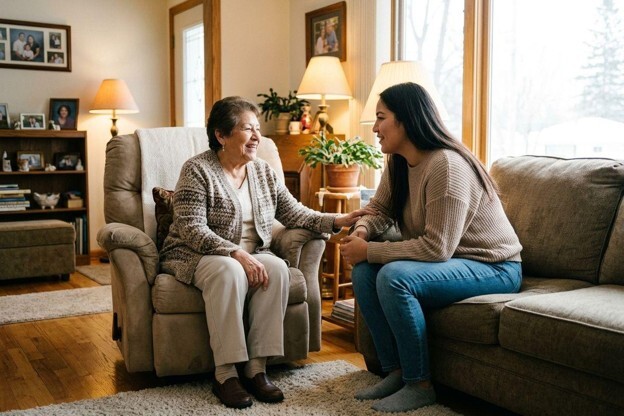
A familiar environment, emotional reassurance, spiritual support, and gentle physical care can all contribute to comfort. The hospice team helps determine which approaches fit the person’s condition, preferences, and goals.
Personal Comfort in a Familiar Environment
For some people, comfort may include softer lighting, a preferred room temperature, familiar music, fewer interruptions, meaningful conversation, prayer, or quiet companionship. The team can help families consider options without prescribing a single “right” environment.
Supportive pillows or a change in position may ease pressure or help someone rest. Hospice team members can demonstrate safe, appropriate techniques and recommend equipment or adjustments when needed.
Timing and positioning depend on the patient’s condition, comfort, skin needs, and individualized plan. Families should follow the hospice team’s guidance rather than a universal schedule.
Gentle touch may comfort some people, while others may prefer quiet presence or more personal space. The patient’s response and preferences guide what feels supportive, and the team can offer alternatives when something no longer helps.
How Vivie Helps Families Be Present
Families know their loved one in ways the care team cannot, so their observations and questions are valuable. Their role isn’t to diagnose changes or manage clinical care.
Vivie’s team listens, assesses, coordinates care, explains what to expect, and adjusts support as needs evolve. Social work, spiritual care, caregiver education, and practical guidance are part of supporting the family as well as the patient.
The result is more than symptom management. It’s a team helping carry the clinical and practical responsibilities so families can spend less energy wondering what to do next and more time being present together.
Contact Vivie to learn how individualized, whole-person hospice care can support your loved one and family wherever you call home.


Vivie
Vivie offers an integrated set of services, including senior living, home health, care management, rehabilitation, hospice, and more. With nearly 2,500 team members serving people across Minnesota, North Dakota, and Wisconsin, Vivie is committed to enriching, empowering, and elevating people throughout life’s journey. Rooted in a foundation of faith and focused on transforming the way people live, age, and thrive, Vivie tailors its support to meet the unique needs of every person.