Not long ago, I was visiting with the daughter of one of our residents.
As we talked, she paused for a moment and said something that has stayed with me.
“Can I be honest? I always thought places like this were places people went to die.”
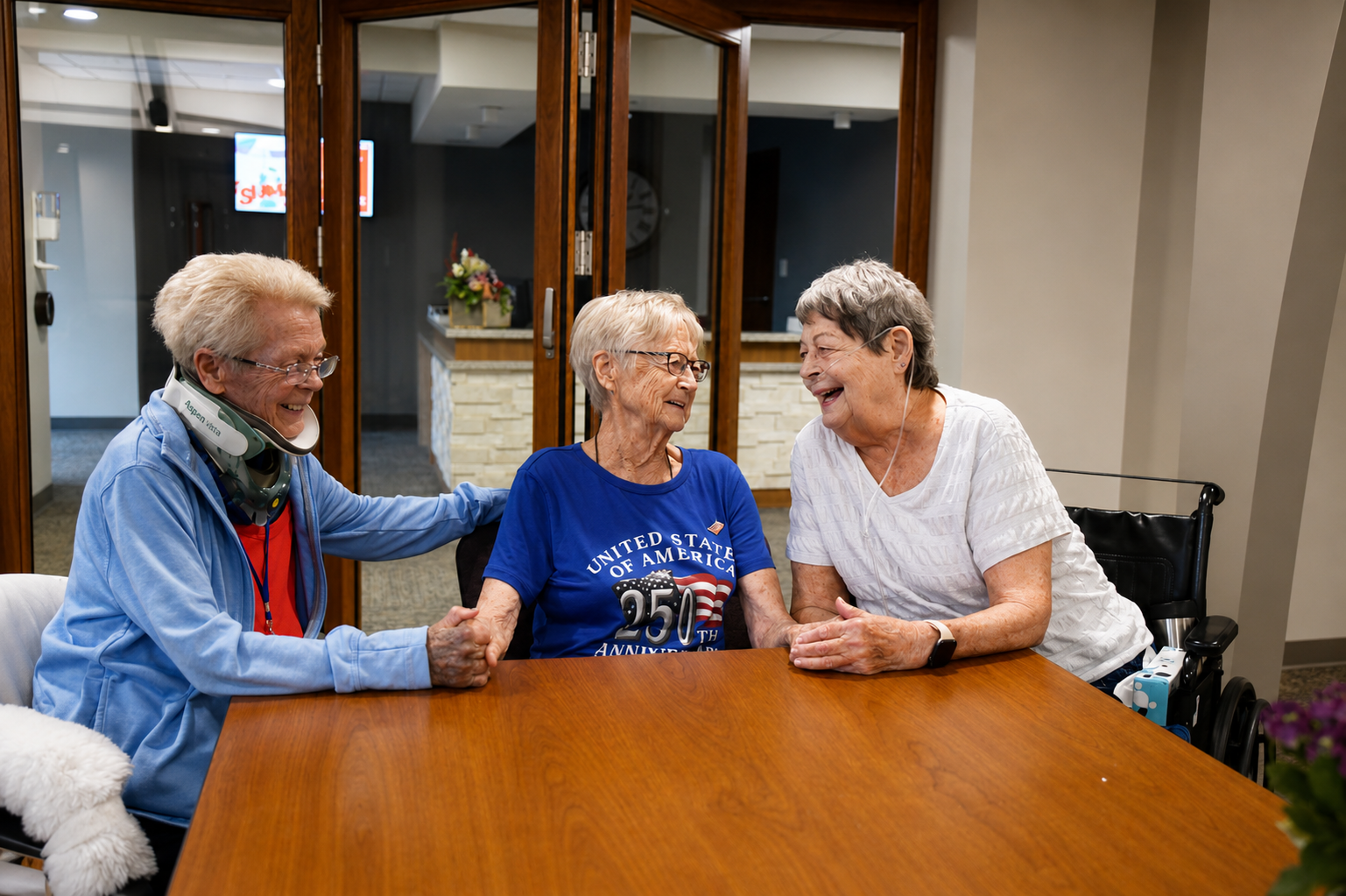
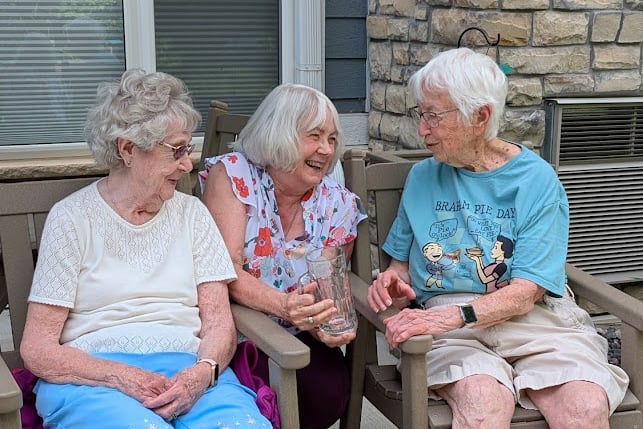
She looked across the room toward her mother, who was sitting with three friends, laughing over coffee.
“I haven’t seen my mom this happy in a long time,” she said. “... or this healthy.”
Before moving into the community, her mom spent most days alone. She rarely left the house. Meals had become something she had to do rather than something to enjoy. The phone rang less. Little by little, her world had become smaller.
Now everything looked different.
She had neighbors who knocked on her door. People saved her a seat at lunch.
She had reasons to get dressed in the morning because there was always something, or someone, to look forward to.
She smiled more. She laughed more. She moved more.
I’ve heard versions of this story countless times.
So, what changed?
Certainly, nutritious meals, medication support, and access to health services all make a difference. But they don’t tell the whole story.
She found community.
She found neighbors who noticed when she missed breakfast. Team members who greeted her by name. A chaplain who remembered the anniversary of her husband’s passing. Someone to laugh with. And someone to pray with.
Those everyday moments may seem ordinary.
They’re anything but.
Research supports what we’ve seen
In 2023, the U.S. Surgeon General declared loneliness and social isolation a significant public health concern. Research has linked chronic loneliness to increased risks of heart disease, stroke, depression, dementia, and premature death. In fact, prolonged social isolation can have a health impact comparable to smoking up to 15 cigarettes a day.
Think about that.
If there was a medication that strengthened the immune system, reduced depression, improved heart health, and helped people live longer, we’d call it a breakthrough.
Instead, the prescription often looks much simpler: A shared meal. A heartfelt conversation.
Community may not come in a medicine bottle, but its impact on health is remarkably real.

We were made for connection
Human beings are created for relationships.
As we age, however, those relationships often become harder to maintain. Retirement ends daily interactions with coworkers. Friends move away or pass on. Health challenges and transportation can make getting out more difficult.
Without realizing it, many older adults experience a gradual shrinking of their social world.
The problem isn’t just being alone. It’s no longer feeling known.
That’s the difference between being around people and belonging.
Belonging means someone notices when you’re missing. It means your stories matter. It means your presence is important.
Belonging changes everything
At Vivie, we believe wellness is about far more than physical health. True wellness includes emotional, social, intellectual, vocational, and spiritual well-being.
Community strengthens each of these.
Friends encourage one another to attend exercise classes. Meals become opportunities for conversation instead of obligations. Faith grows through worship, prayer, and shared hope.
Purpose is rediscovered by welcoming new residents, comforting grieving neighbors, leading activities, volunteering, or offering an encouraging word.
Purpose doesn’t retire—it just changes job descriptions. It looks less like managing workers and more like making sure nobody eats dessert alone.
People simply find new ways to use the gifts they’ve always had.
It takes an entire community
Creating belonging isn’t one person’s job. It’s everyone’s.
Our chaplains walk alongside residents through life’s biggest questions and most meaningful moments.
Our life enrichment teams create opportunities for friendships to grow through activities, learning, music, and celebrations.
Wellness specialists encourage residents to keep moving, build strength, and find activities that help them feel their best.
Volunteers connect residents with the broader community.
And belonging is built in countless small moments every day.
It’s the dining server who already knows how someone likes their coffee. The housekeeper who notices a resident seems quieter than usual. The receptionist who greets every resident by name.
The maintenance person who stops to admire a puzzle and stays for a twenty-minute conversation—because sometimes a good conversation is just as important as fixing doorknobs.
None of those moments appear on a medical chart.
Yet each quietly says the same thing: “You matter here.”
More than a place to live
I often think back to that daughter who admitted she once believed senior living was where people went to die.
What she discovered was something entirely different.
She watched her mother laugh again. Build friendships. Find purpose.
She watched her begin living again.
That’s the power of community.
If you’re exploring senior living for yourself or someone you love, we’d love to help you discover what Vivie has to offer.

Kevin Coder
Kevin Coder believes in the power of connection and the importance of meeting people wherever they are on life’s journey. As vice president of spiritual life at Vivie, he leads a team of chaplains and oversees programs that nurture the spiritual well-being of those we serve and those who serve alongside us. Kevin earned a bachelor’s degree in psychology from North Central University and a Master of Divinity degree from Luther Seminary. His calling to ministry began in the United Methodist Church, where he developed a passion for sharing the gospel and supporting others in their faith. Over the years, he has served in a variety of roles, including youth minister, senior pastor, and chaplain in the Minnesota Army National Guard. At Vivie, Kevin finds purpose in listening to people’s stories, offering support, and helping individuals find meaning and comfort in every season of life.